Will You Get Banned for Cheating? Ban Risk and What "Undetected" Really Means
Contents
Anyone shopping for a cheat runs into the same two words: ban and undetected. One sounds scary, the other sounds safe. Neither works quite the way it's usually described. Here's what actually triggers a ban, what "undetected" really means, and what lowers your risk.
How anti-cheat actually catches players
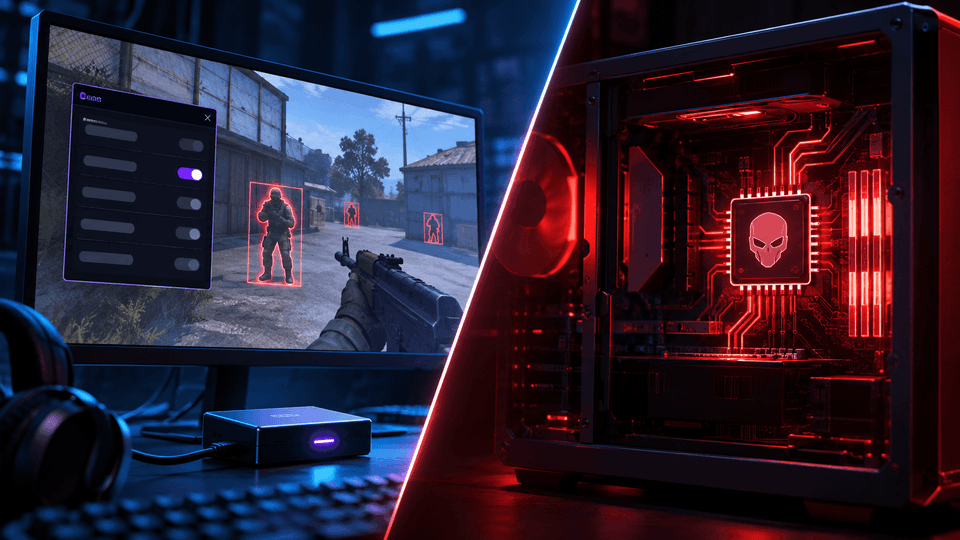
Modern anti-cheat stacks run several detection layers at once. EAC, BattlEye, and Vanguard rely on kernel-level scanning: the driver gets access to memory at the OS kernel level and can flag suspicious activity even without a direct injection into the game process. A separate layer looks at behavior. In games like Valorant, algorithms review match replays for unnatural aim patterns and decision-making. Survival shooters such as Escape from Tarkov lean on server-side stats, comparing kill-death ratio, headshot percentage, and loot pickup speed against the normal distribution across the whole player base.
Bans rarely land instantly. Many studios collect data and ban in batches, known as ban waves, so an account can sit flagged for weeks before anything actually happens.
What "undetected" actually means
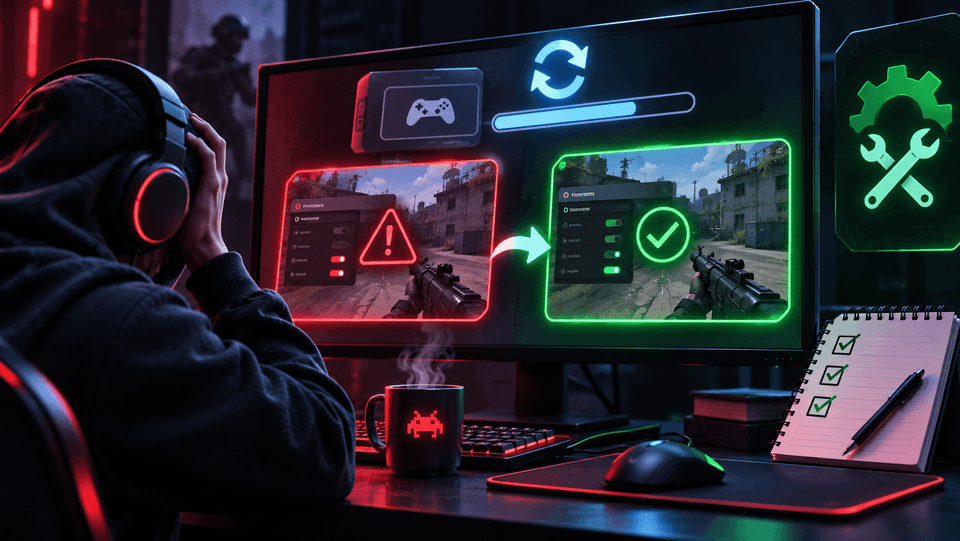
"Undetected" describes a status right now, not a permanent guarantee. The software isn't triggering anti-cheat checks at this moment because the developer kept up with the game's latest patch. Once a new update or anti-cheat revision ships, that status can flip within hours.
Sellers who promise a cheat is "100% undetected forever" aren't being accurate. Nothing stays undetectable indefinitely, because anti-cheat keeps evolving. What actually matters is how fast the developer patches the cheat after each game update.
What actually raises ban risk
- aggressive settings — snap-to-head aim, perfect accuracy with zero misses;
- stats that stand out from the crowd — a KD ratio far above server average gets noticed even without deep analysis;
- an outdated build that hasn't been patched for the current game version;
- buying from a random seller with no support and no update history.
How to lower the risk
Pick private software with an active update history and real support, not a one-off build from a forum post. Keep settings conservative: smooth aim assist and moderate ESP are noticeably safer than maxed-out settings. Check the current detection status with your provider before each session — a reliable seller tracks game patches closely and flags changes early.
FAQ
Is a cheating ban permanent?
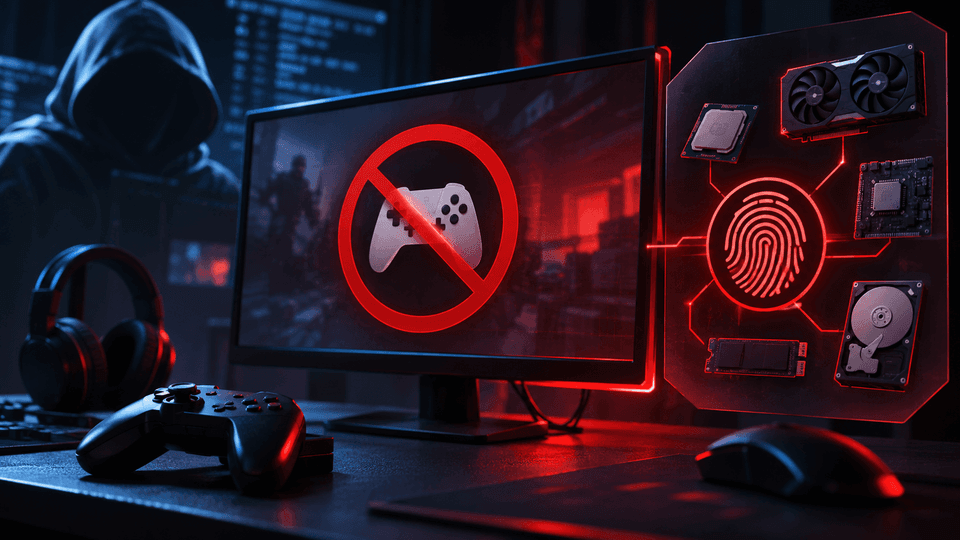
In most competitive titles, yes — the account gets permanently banned, often paired with a hardware-level (HWID) block. The exact model varies by game.
Can you get banned while using an "undetected" cheat?
Yes. If the status changes and you don't update in time, the risk is the same as running a cheat that's already flagged.
How is a cheating ban different from a regular rule-violation ban?
It's usually harsher: on top of the account block, many games add a hardware ban that a new account alone won't fix.
There's no way to bring the risk to zero — that's baked into how the product works. Choosing actively maintained private software, keeping settings realistic, and checking detection status before you play cut the odds significantly. Confirm the current detection status with your seller before buying — it's the first thing worth checking.